
Streams as a climate archive: what alpine watercourses tell us about our climate
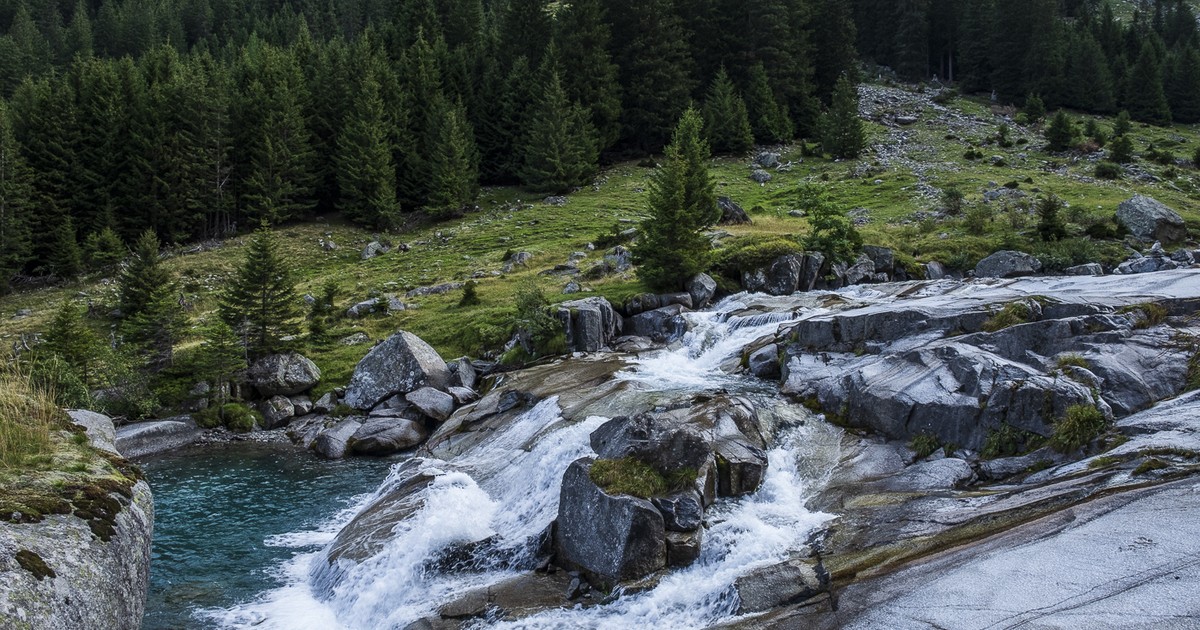
Streams and rivers do more than just carry water. They are a barometer of how carbon is stored in the landscape or released. Alpine river pearls play a particular role, capturing CO2 and thereby helping to affect the climate far beyond their catchment area. That makes their protection not just an ecological necessity, but also an issue of climate policy.
Research into how CO2 is stored and released across the world is central to our understanding of climate change. The release of carbon that had been stored for very long periods, e.g. in rocks, permafrost or fossil fuels, is of critical importance in this regard. About one third of annual CO2 emissions are absorbed by the ocean, another third by forests. The absorptive capacity of forests varies enormously from one region to another, which makes it difficult to offer precise figures.
Rivers show us how carbon is stored or released on land – in soil, forests or rocks – because they reflect what happens within their catchment areas. Our rivers, however, are much more than just static conduits transporting carbon from A to B. They are in constant interaction with their surroundings and, above all, act as an efficient recycling machine. Alpine river systems such as those in Switzerland have a particular “buffer” role to play here. When rainwater flows over limestone, it leaches carbon out of the rock. The water can transport this carbon without immediately releasing it into the air as CO2 .
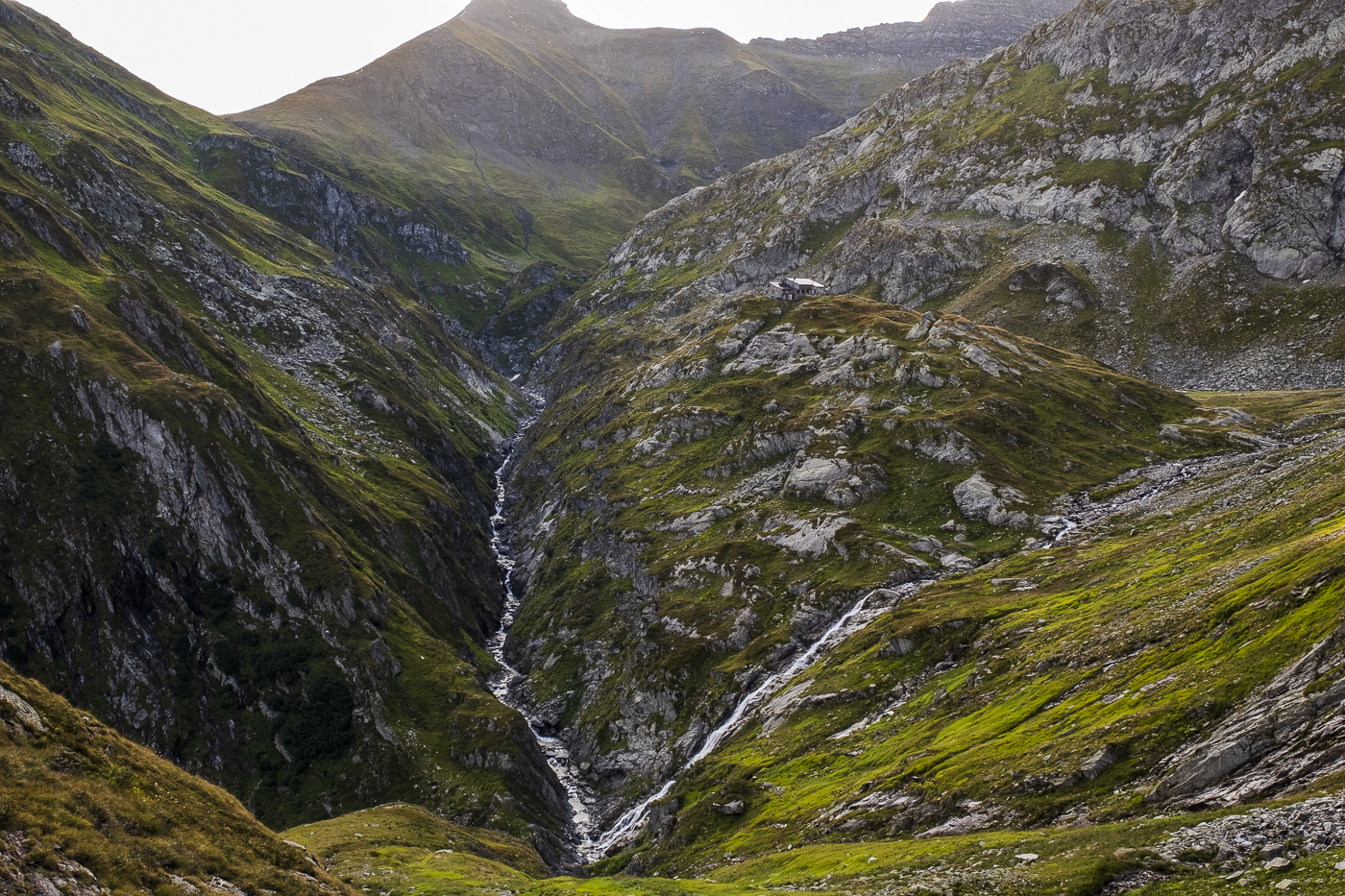
These natural processes are under pressure. The warming of the Alps is accelerating weathering and transport processes, while rising water temperatures are limiting the ability of the water to store CO2. At the same time, human interventions such as channelisation or the construction of dams are fundamentally altering the dynamics of these systems. How great the contribution of small mountain streams to the global climate actually is has not yet been sufficiently investigated. This is partly due to the fact that research into unspoilt rivers in the Alps is particularly challenging, because they change quickly, are heavily influenced by humans and are becoming increasingly rate. And yet small alpine watercourses hold the key to a more comprehensive understanding of our planet’s natural processes.
The River Pearls PLUS label helps to protect precisely these kinds of near-natural watercourses. Not only are they ecologically valuable, they also perform an important function in the carbon cycle. The maintenance or restoration of a natural stream thus makes a central contribution that extends far beyond the local ecosystem.