
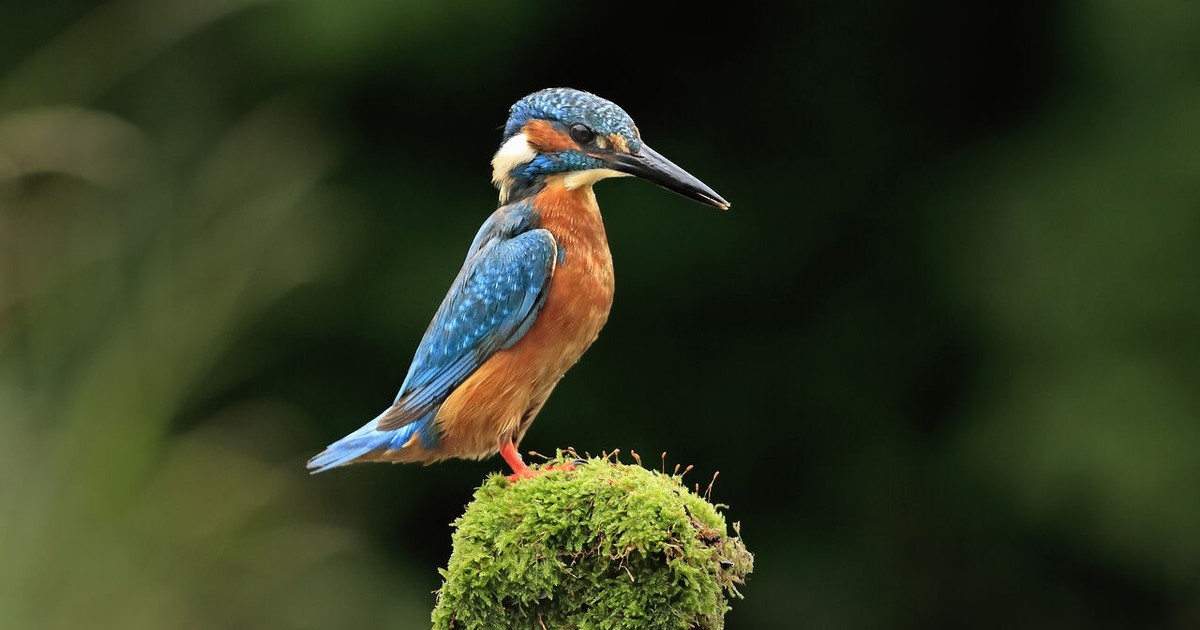
The kingfisher: An ambassador for natural watercourses
The kingfisher is a skilled, magnificently coloured hunter that lives by clear rivers and watercourses. The habitat and breeding grounds of this striking bird are coming under increasing pressure from human activity, however. This portrait of the 2026 bird of the year illustrates how protecting rivers also protects birds.
Even people who do not recognise a kingfisher will immediately find their eyes drawn to it. That’s because what distinguishes the bird is its bright turquoise and orange plumage, which makes it one of the most colourful birds in Switzerland.
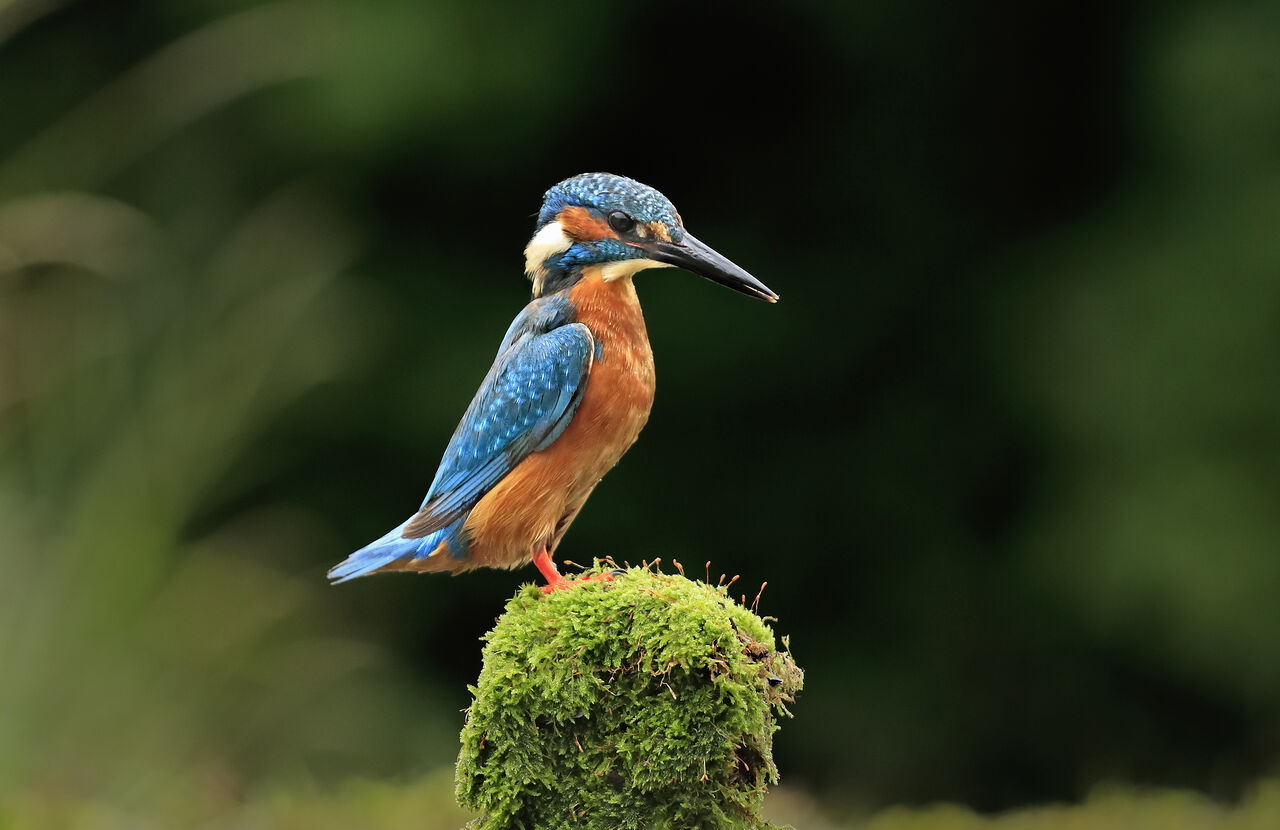
Despite being only 16 to 18 cm in height, the kingfisher is an impressive hunter. It feeds primarily on small fish, which it catches with its long, narrow beak in a lightning-fast dive into the water.
During the breeding season, the kingfisher also uses this skill to attract females, charming potential mates by presenting them with small fish.
Burrows rather than nests: The sensitive breeding grounds of the kingfisher
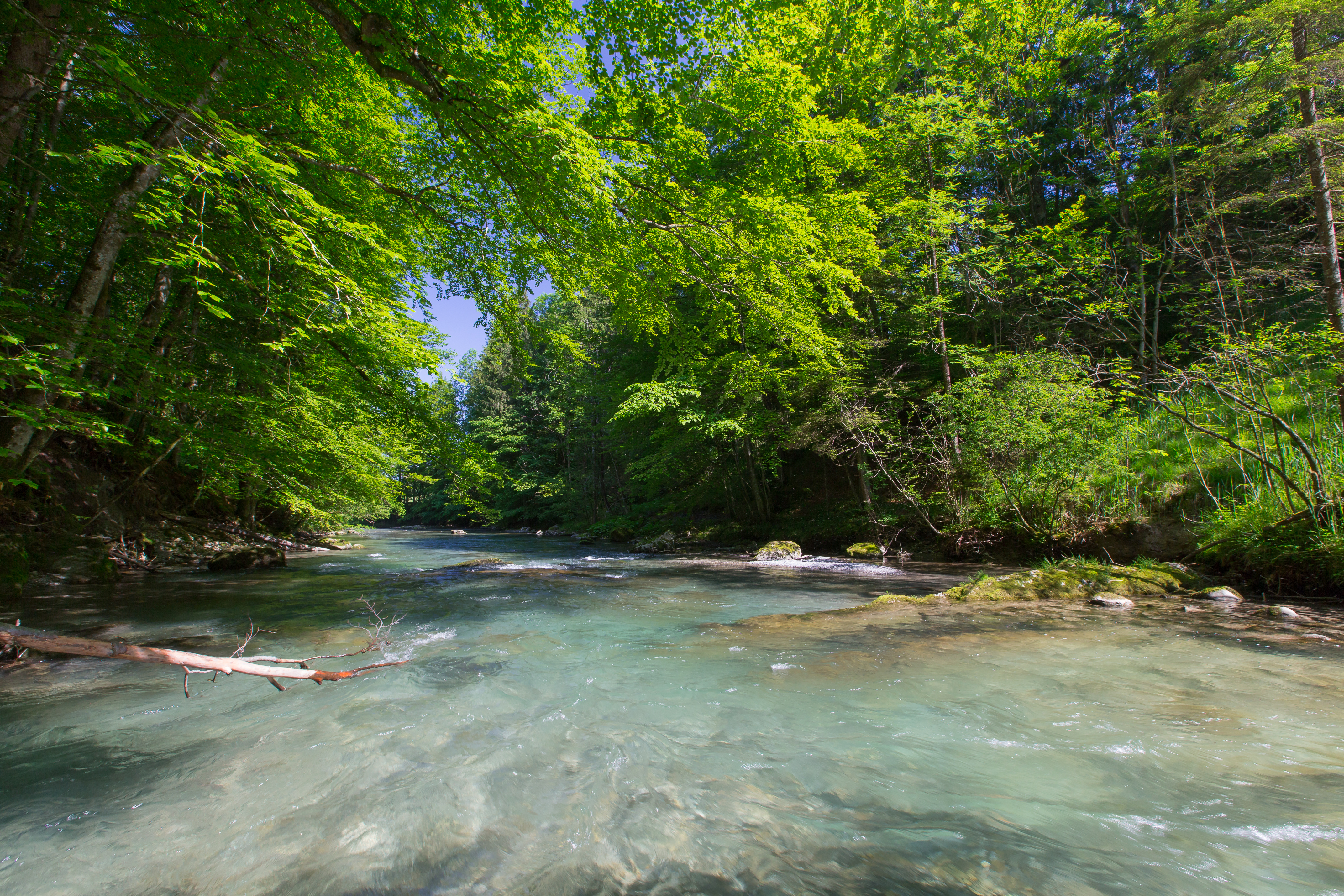
The kingfisher lives by clear waterways which have plenty of fish. Among those where it can be found are the Lorze, Reuss, Thur, Alte Aare and Menthue River Pearls. Instead of a nest, it digs into steep clay walls to create breeding burrows up to 80 cm long in which it lays its eggs and rears its young.
For this to succeed, it is important that the breeding burrows remain undisturbed. Despite its fascinating beauty, therefore, the kingfisher should not be approached.
Anyone wanting to observe the bird responsibly, however, will have a good chance of doing so in the BirdLife nature centres in La Sauge in Vaud canton, Neeracherried in Zurich and the Klingnauer Stausee in Aargau from March to August. “These places are where we have created habitats for this beautiful, bright blue bird,” explains Raffael Ayé, managing director of BirdLife Switzerland.
Straightened rivers endanger the kingfisher
The kingfisher is a symbol of biodiversity and pure, natural watercourses. “Where the kingfisher lives, the river lives. Its shimmering colours indicate that this is where nature is still intact,”, says Ruedi Bösiger, Lead River Restoration & Conservation, WWF Switzerland.
However, the fragmentation, straightening and canalisation of rivers and streams are increasingly threatening valuable habitats and breeding grounds. “That is why the kingfisher is on the red endangered list in Switzerland,” Raffael Ayé adds.
If kingfishers are to continue to thrive in Switzerland in the future, we must protect the country’s few natural watercourses. That is what the River Pearls Association is committed to. Its River Pearls PLUS label recognises untouched rivers, streams and watercourses in Switzerland and the dedication of the people behind them.