
The Ri di Lodano – an untamed river pearl in the Maggia valley
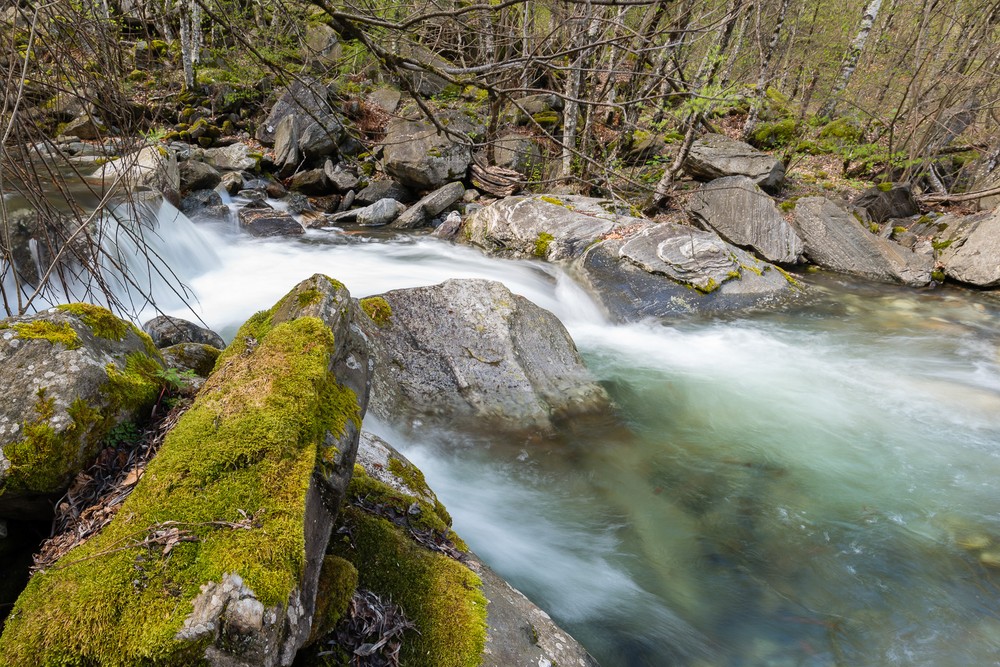
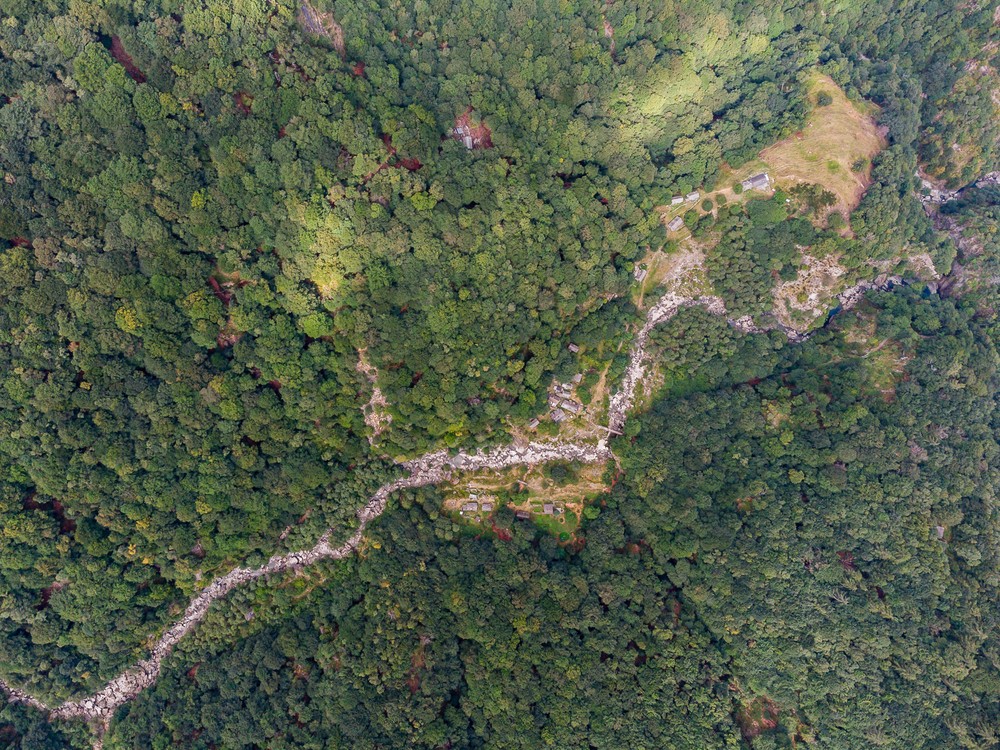
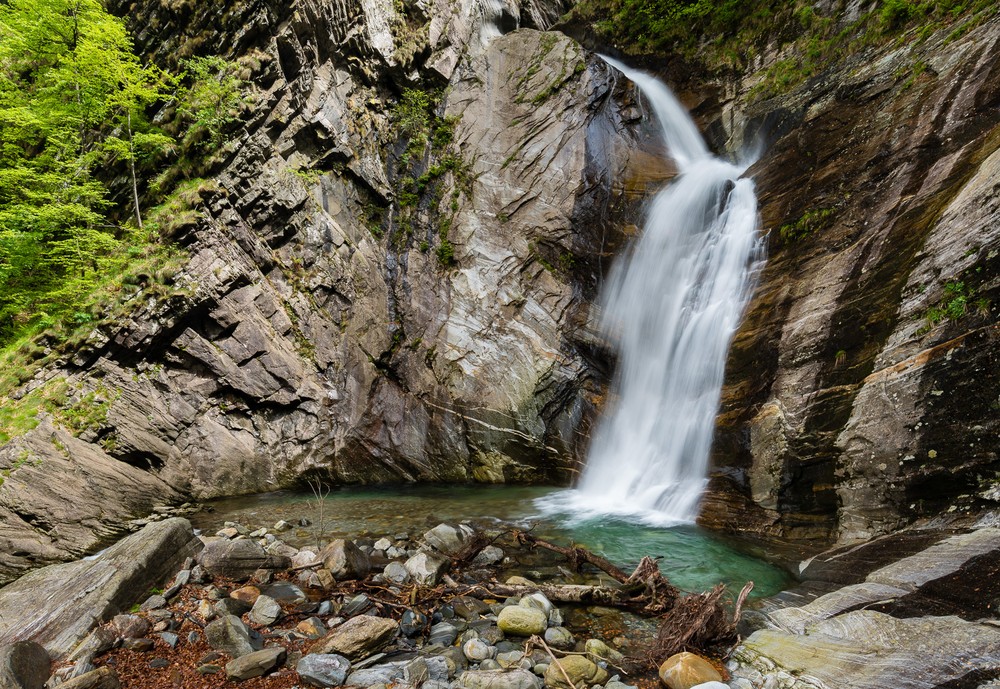
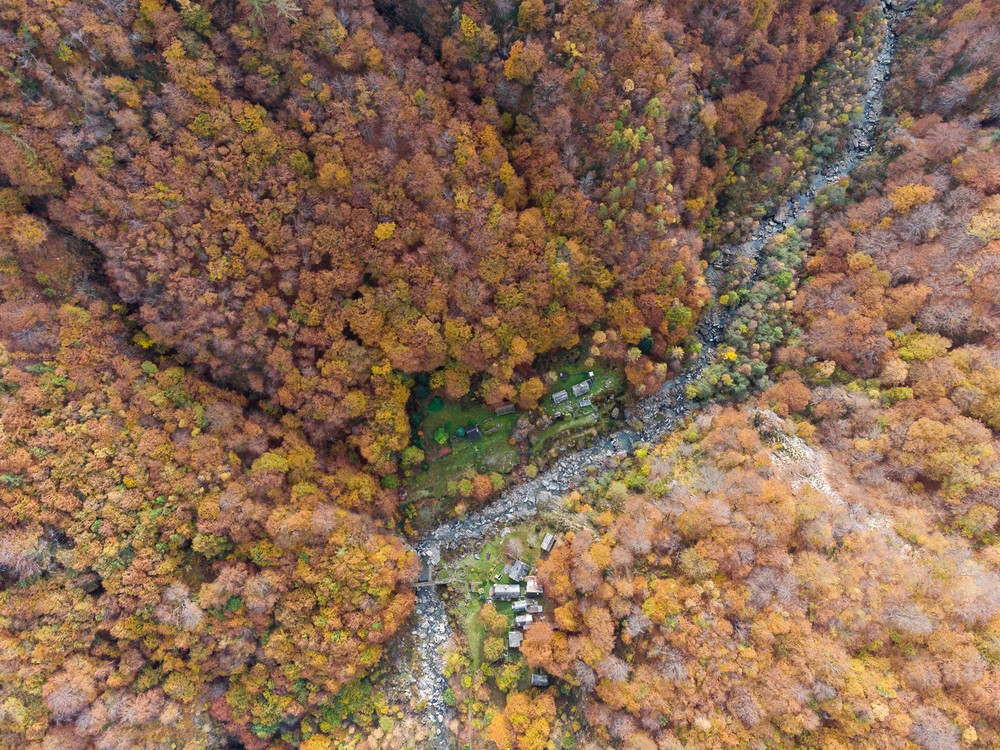
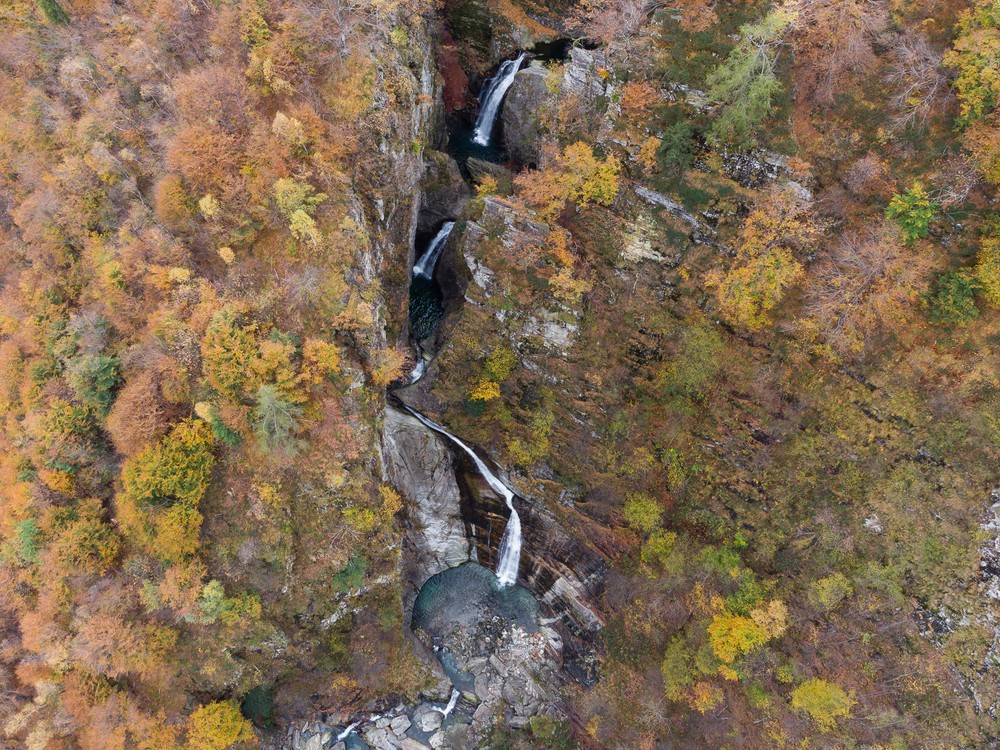
The Ri di Lodano in Ticino is one of the last largely untouched mountain streams in Switzerland. With steep ravines, waterfalls, huge boulder fields and natural river dynamics, it has retained its original character. The certification covers a near-natural network of water bodies stretching to around 18.4 kilometres which lies entirely within the municipality of Maggia.
An important role for nature and culture
The Ri di Lodano is located in a valley of enormous ecological importance that is also known for its old beech forests, which are part of a UNESCO World Heritage Site. The Ri di Lodano and its surroundings are characterised by
- steep ravines and waterfalls
- huge boulder fields
- natural river dynamics without any structural barriers
Alongside its ecological value, the Ri di Lodano also has historical significance and plays a key role in shaping the region’s identity.
Valuable habitats for many animal and plant species
The stream and its environment offer important habitats for many species of animals and plants and are considered a leading source of biodiversity in the Maggia valley. Among those proven to be present are
Insects: aquatic insect groups and dragonflies
Invertebrates: birds, amphibians and small mammals
Plants and mosses: flora typical of the area and various mosses
Little is yet known about certain groups of species, so the development plan drawn up as part of the certification process also provides for the creation of a comprehensive catalogue of species. The aim is to enable systematic documentation of the biological diversity of the water body in the future.
Two sponsors, one plan
To ensure long-term protection of the outstanding ecological condition of the water bod while at the same time strengthening the local community’s bond with their valley, the municipality of Maggia and the citizens’ community of Lodano joined forces to apply for the “River Pearl PLUS” label. The evaluation process demonstrated that the certified section meets all requirements and is in excellent condition.
The key measures over the next five years
The development plan was drawn up by the two communities in consultation with the local population and comprises 16 measures. Among the primary ones are
- information and educational activities for the community, for schools and for visitors to the Maggia valley
- protecting and upgrading habitats
- managing dead wood and invasive species
- encouraging leisure activities that are compatible with nature
These measures will be complemented with projects researching the biodiversity of the water body.